Beyond Borders: Practical insight for UK red meat exporters

May 2026's round-up of AHDB's export activity and international market news to help UK businesses develop their export potential.

Market news from Europe

France

Included in this month's report:

  • Livestock disease continues to disrupt European sheep and cattle supply
  • Brazilian beef exports to EU under scrutiny
  • Latest consumer and retail insight

Latest market news

Livestock disease continues to disrupt European sheep and cattle supply

Bluetongue disease continues to affect sheep production across France and parts of Europe, with the impact expected to persist throughout 2026. French producers are still rebuilding flocks following significant losses linked to the 2024 outbreak, while animal health restrictions continue to influence production and movement patterns.

Alongside bluetongue, concerns are also growing around other livestock diseases affecting cattle movements and trade flows within Europe. Industry organisations are calling for continued vigilance and stronger sanitary coordination to limit disruption to production and exports.

Ongoing disease pressure across continental Europe could continue to tighten domestic supply availability in some regions, particularly in sheep meat. At the same time, sanitary concerns are increasing the importance of traceability, origin and supply chain reassurance within the French market.

Read this article in full.

Brazilian beef exports to the EU remain under close scrutiny

Questions continue to be raised within the European meat sector over Brazil’s ability to maintain and expand beef exports into the EU market. Industry discussions remain focused on competitiveness, sanitary standards, and the growing presence of South American beef within European supply chains.

Brazil has continued to strengthen its position in international beef trade thanks to competitive pricing and strong production volumes. However, concerns around traceability, environmental standards, and regulatory compliance remain sensitive topics within parts of the European market.

Increased South American competition could continue to place pressure on pricing and positioning within some EU channels. At the same time, this may reinforce opportunities for British beef to differentiate itself through provenance, quality assurance, and grass-based production systems.

Read more about this.

French sheep meat production shows limited recovery in early 2026

French sheep meat production recorded a slight increase during the early months of 2026, according to recent industry figures. However, recovery remains fragile following the significant impact of bluetongue disease on breeding flocks over recent years.

Industry representatives continue to warn that rebuilding the national flock will take time. Structural challenges linked to labour, profitability and farm succession also remain key concerns for the French sheep sector.

Although production has improved slightly, overall French supply remains historically tight. This could continue to support import requirements later in the year, particularly during seasonal retail demand peaks.

Read this article in full.

France moves to accelerate agricultural infrastructure projects

The French government has introduced new measures aimed at accelerating approval procedures for agricultural infrastructure projects, including livestock buildings, irrigation systems and methanisation facilities.

The objective is to simplify administrative processes and support the long-term competitiveness of French agriculture at a time of increasing economic and environmental pressure on producers.

The move reflects growing concern within France around food sovereignty, agricultural productivity, and the need to modernise farming infrastructure more rapidly. Industry groups have largely welcomed the initiative, although debate continues around environmental considerations.

These developments highlight France’s continued focus on strengthening domestic agricultural resilience and production capacity over the longer term.

Read more about this.

Retail news

French retailers continue to prioritise promotional activity

French retailers remain highly focused on price-led promotional activity as consumer spending continues to face pressure. Meat promotions have remained an important tool for driving store traffic and protecting volumes across retail channels.

Retailers are increasingly balancing value messaging with quality and origin positioning, particularly within premium and service-oriented formats.

This creates both challenges and opportunities for imported meat products positioned around provenance and eating quality.

For UK exporters, in-store activation, tastings, and clear product differentiation are becoming increasingly important when engaging with French retail buyers and consumers.

10 instore activations days were organised this month, promoting UK St George lamb in 8 supermarkets in the south of France and Paris region.

These activations are paramount in maintaining a close relationship with importers, head butchers and customers alike.  

Consumer insight

French consumers are becoming more selective in meat purchases

French consumers continue to demonstrate cautious spending behaviour despite easing inflation levels.

Purchasing decisions remain strongly influenced by price, with shoppers increasingly selective about when and where they buy red meat products.

According to Kantar data relayed by FranceAgriMer, total household meat purchases for at-home consumption declined by 3.2% in the first quarter of 2026 compared with the same period in 2025.

Fresh beef purchases recorded one of the sharpest declines, falling by 9.3% year-on-year, while the average purchase price increased by 14.8% to reach €20.44/kg.

Read more about this.

Premium products must demonstrate clear value

Consumers are paying closer attention to product quality, origin, and eating experience before committing to higher-value purchases. Retailers and suppliers are therefore placing greater emphasis on provenance, reassurance, and storytelling.

At the same time, French retailers remain highly focused on containing shelf-price inflation following annual negotiations with suppliers.

According to the latest retail negotiations data, average price increases across food categories remained close to flat in 2026, reflecting continued pressure from retailers to maintain affordability for consumers. Read more about this.

Key trends include:

  • Increased focus on promotions and perceived value
  • Greater importance placed on origin and traceability
  • Stronger interest in products supported by tastings or demonstrations

AHDB market activity

Masterclass in ESCHAU – LinkedIn video

Have a look at the video of our Masterclass in a butchery training center in Echau ( eastern France) with master butcher Yves Marie Lebourdonnec, a vocal supporter of UK beef.

Major Monoprix lamb promotion planned across France

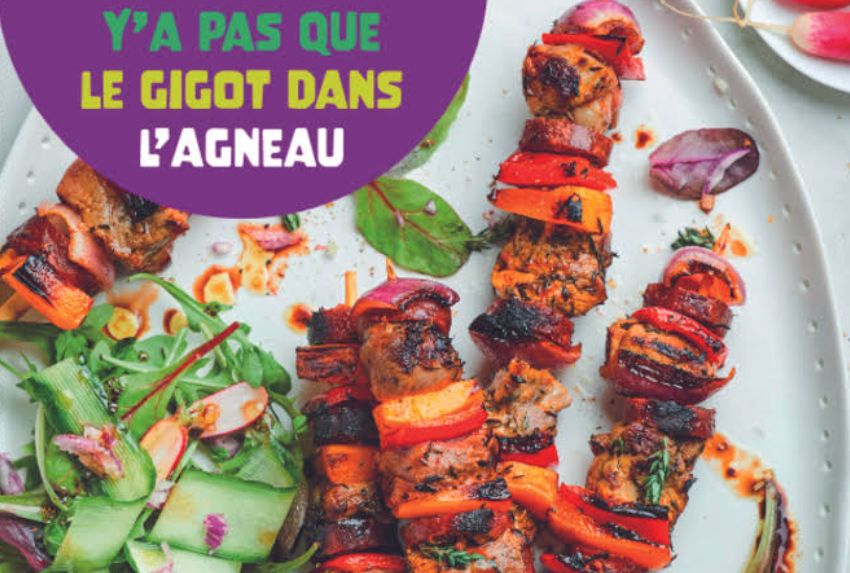
AHDB France will support a major UK lamb promotion with Monoprix next month, (20–25 June) covering 65 stores across France over a promotional week.

The campaign is expected to feature approximately 70 tonnes of lamb and represents a significant retail activation opportunity for British lamb within the French market.

The operation aims to strengthen visibility and consumer engagement around lamb at a key commercial period, while reinforcing premium positioning and provenance messaging in-store.

AHDB to participate in KBP event at the British Embassy in Paris

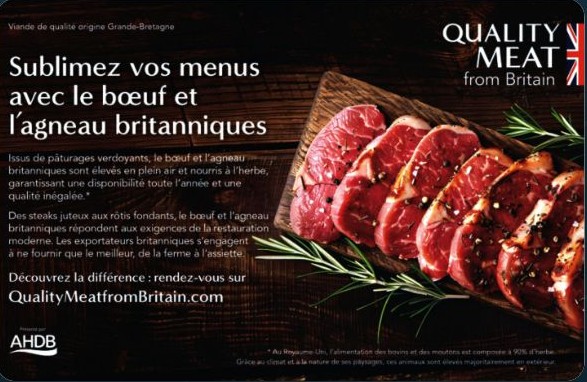
AHDB France will take part in the upcoming KBP event hosted at the British Embassy in Paris on 15 June. AHDB will supply the beef showcased during the event and will support the activation with Quality Meat from Britain branded materials, including promotional display banners.

The event will provide an opportunity to engage with industry stakeholders and reinforce awareness of British beef and lamb within the French market.

Buyer engagement continues through French retail buying platforms

AHDB France continues to work alongside import partners Macquet and SNVC to engage directly with French retail and foodservice buying platforms, including Leclerc and Metro networks.

These presentations are designed to introduce buyers to British beef and lamb through tastings and product demonstrations, while highlighting quality, consistency, and grass-based production systems.

The activity forms part of AHDB’s ongoing strategy to strengthen relationships with French retailers and support long-term opportunities for UK exporters.

Recent activity included a buyer engagement event at Metro Lomme, the largest Metro warehouse north of Paris and a long-standing partner of importer Macquet since 1999.

More than 300 attendees participated in the event, which featured cooking demonstrations and tastings of UK lamb alongside discussions on product availability, quality, and market expectations.

The activation provided strong visibility for British lamb and valuable opportunities for direct engagement with retail and foodservice professionals.

Germany

Included in this month's report:

  • Meat demand and sales in German food retail
  • Latest industry acquisitions and consolidation
  • Latest pork, lamb and beef market news

Latest market news

Overall market situation: Transition to the BBQ season

Following the robust Easter trade in April, the German meat industry in May 2026 has fully transitioned into the traditional barbecue season.

While total revenue projections for the year remain cautiously optimistic, the agribusiness economic outlook is still tempered by inflation and global market distortions.

However, the warmer weather in May is providing a reliable demand spike for specific grill-friendly categories across the food retail sector (LEH).

Meat demand and sales in German food retail

  • Seasonal shift in demand: Recent retail data shows consumer focus has shifted away from premium indoor roasts towards marinated steaks, sausages and poultry. Overall demand for fresh meat remains stable, bolstered by outdoor dining occasions
  • Price sensitivity meets grill season: Price remains the decisive factor at the self-service shelves. Discounters are fiercely competing for weekend shoppers using aggressive promotions on grill assortments. Poultry and pork neck steaks are the primary traffic drivers in weekly promotional flyers

Consumption trends data

In mid-May, the Federal Statistical Office released new official figures on market development (based on the completed year 2025), marking a slight turning point in food retail:

  • Meat substitutes decline slightly: After years of a boom, the production of vegetarian and vegan meat alternatives has decreased slightly for the first time (by 1.2% to 124,900 tonnes)
  • Regular meat consumption rises: According to preliminary data, per capita meat consumption in Germany has increased slightly and most recently stood at an average of 54.9 kg per person
  • Market ratio: In terms of value, traditional meat production in Germany (€45.2 billion) remains over 70 times larger than that of meat substitute products

Acquisitions and industry consolidation

  • Gausepohl acquires Schiller Fleisch: The family-run Gausepohl Group continues its growth trajectory and acquired the premium beef specialist Schiller Fleisch (Bad Vilbel) in mid-May
  • Vion sells its Buchloe site: The meat corporation Vion is pushing ahead with its restructuring on the German market and is selling its production site in Buchloe to the British ABP Food Group
  • Sale of Heidemark approved: At the beginning of May, the EU Commission unconditionally approved the sale of the Heidemark Group (one of the largest German turkey processors) to the British Boparan Private Office

The acquisition of the German importer Alexander Eyckeler GmbH by the Irish meat group Dawn Meats was officially finalised in mid-May. This is a highly strategic move that significantly tightens international supply chains for premium meat.

Strategic background (The New Zealand connection)

This deal is a direct next step following a previous mega-merger: in late 2025, Dawn Meats acquired a 65% stake in Alliance Group, a massive New Zealand meat cooperative.

Alexander Eyckeler GmbH has been one of Alliance Group's largest European customers for decades, exclusively importing and distributing their ‘Ashley’ brand (lamb, mutton, and venison) in the German market. By acquiring Eyckeler, Dawn Meats secures direct access to the German distribution network of its own New Zealand subsidiary.

Impact on wholesalers

This merger creates an incredibly tight supply chain – stretching straight from pastures to German cold storage facilities.

This market shift is relevant ahead of summer tasting events, when sourcing, logistics and price comparisons for lamb or premium international cuts (such as ribeye, picanha, or chuck roll) at cash and carry wholesalers like Metro or Selgros become crucial. Eyckeler is a key supplier in this segment, and the direct link between Dawn Meats, Alliance, and Eyckeler could significantly shift or stabilize future wholesale availability and pricing structures.

Pork

Market situation and prices: BBQ push stabilises the market

The slaughter pig market, which saw a stabilization in April, is currently experiencing a seasonal uplift. With the start of the BBQ season, demand for pork neck and belly cuts has surged.

The supply of slaughter-ready pigs remains balanced, preventing any significant price drops.

The pig price is holding firm at approximately €1.60 to €1.65 per kilogram (slaughter weight), offering a slight reprieve to producers compared to the beginning of the year.

Structural shifts: ABP Food Group makes major move into German beef

The most significant structural news of the month for the German beef trade is the continued retreat of the Vion Group.

Vion has sold its strategically crucial beef slaughtering and deboning facility in Buchloe, Bavaria, to the British-Irish ABP Food Group.

The Buchloe site is considered one of the country's premier locations for quality beef (deeply anchored in the Bavarian Simmental/Fleckvieh region) and supplies major German retail chains as well as the wholesale sector. With ABP taking over this hub, the balance of power in German beef sourcing is shifting heavily toward the Irish giant, which already commands an enormous import presence.

Price pressure in the pork market

Due to the short slaughter weeks around the public holidays in May and sluggish meat sales, there has been a noticeable drop in the price of slaughter pigs in Germany.

Slaughterhouses are experiencing margin pressure and partially reducing their activities, which is currently causing uncertainty in the retail sector across Europe.

Producers and structural change

Despite the seasonal demand, the underlying structural challenges remain. The German Farmers' Association (DBV) continues to warn of insufficient cost coverage for many piglet producers and fatteners.

The wave of farm closures noted earlier in the year is persisting, leading to a long-term consolidation where fewer farms manage increasingly larger herds.

Beef

Post-Easter normalisation and burger boom

The historically high prices seen in April for premium cuts (like fillet and roast beef) are beginning to normalize as the Easter rush subsides.

However, beef remains highly relevant for the May market, specifically driven by the premium burger trend. Minced beef and specific steak cuts (rib-eye, flank) are seeing exceptionally high turnover rates at the retail level.

Demand and price pressure on slaughter cattle

After months of remaining at historically high levels compared to the rest of Europe, beef prices in Germany have shown a slight but noticeable downward correction in May 2026.

Payout prices from slaughterhouses for young bulls (trade class U2/U3) eased slightly in May, currently moving within a range of approximately €6.02 to €6.34 per kg carcase weight (a drop of about 15 to 20 cents compared to previous weeks). Heifer prices are also facing some pressure.

The volume of cattle coming to slaughterhouses remains tight due to long-term structural changes and shrinking herd sizes in Germany (which prevents prices from crashing).

However, shorter operational weeks caused by the May public holidays (Ascension Day, Pentecost) have led to temporary local oversupplies.

At the same time, food retailers are acting cautiously, keeping their demand highly calculated due to high consumer price levels.

Animal welfare and market trends

The retail push for higher farming standards (Levels 3 and 4) continues unabated. Surcharges for outdoor climate and organic beef are maintaining their healthy price gaps.

Discounters are heavily promoting imported steaks (from South America and Ireland) alongside domestic minced meat to balance the pricing architecture for inflation-wary consumers.

The rise of ‘meat snacks’

An industry report released in mid-May points to a shift in consumer habits. While traditional fresh beef sales at service counters are stagnating, the ‘meat snacks’ segment (e.g., beef jerky, snack salamies) is booming.

This submarket is experiencing steady growth in Germany with an annual revenue increase of over 4%, now reaching a market value of over €114 million in German retail, prompting major brands to expand their self-service shelf space accordingly.

Lamb

Post-Easter market adjustments

As expected, overall volume demand for lamb has decreased following the Easter peak. However, lamb racks and chops remain popular niche items for upscale barbecuing.

Food retailers are adjusting their shelf space accordingly, moving away from whole legs of lamb to smaller, grill-ready portions.

Impact of bluetongue intensifies

A critical factor for the May 2026 market is the seasonal acceleration of bluetongue disease (BTV-3). As temperatures rise, midge activity increases, prompting even stricter veterinary regulations and restriction zones across Great Britain and the EU.

  • Halt on live exports solidified: The export of live sheep from Great Britain to the EU remains severely restricted
  • Advantage for British chilled lamb: Consequently, British farmers are slaughtering locally, ensuring a steady supply of fully butchered, chilled British lamb to the German market. This logistical reality cements the strategic "sandwich" position of British lamb in German supermarkets – offering superior freshness compared to frozen New Zealand goods, whilst remaining more competitively priced than regional German premium lamb

Retail prices overview – May 2026

Lamb

Supermarket

Number of stores

Date

Article

Price €/kg (incl. VAT)

Origin

Lidl

3,250

18.05.

Lamb chops (grill ready)

27.99

AUS

Kaufland

780

18.05.

Lamb racks

23.90

NZ

REWE

3,800

18.05.

Lamb leg (deboned)

22.90

UK

Aldi

4,400

18.05.

French racks (frozen)

21.99

NZ

EDEKA

3,200

18.05.

Lamb loins

24.50

UK

Butcher stores

5,500

18.05.

Lamb shanks

25.90

DE

Beef

Supermarket

Number of stores

Date

Article

Price €/kg (incl. VAT)

Origin

Lidl

3,250

18.05.

Minced beef (BBQ promo)

8.99

DE

EDEKA

3,200

18.05.

Beef filet

52.90

IR

Lidl

3,250

18.05.

Rump steak (young bull)

25.99

DE

REWE

3,800

18.05.

Minced beef (organic)

15.50

DE

Metro

16

18.05.

Beef short ribs

21.99

US

Kaufland

780

18.05.

Rib-eye

22.90

ARG

Activities May 2026  

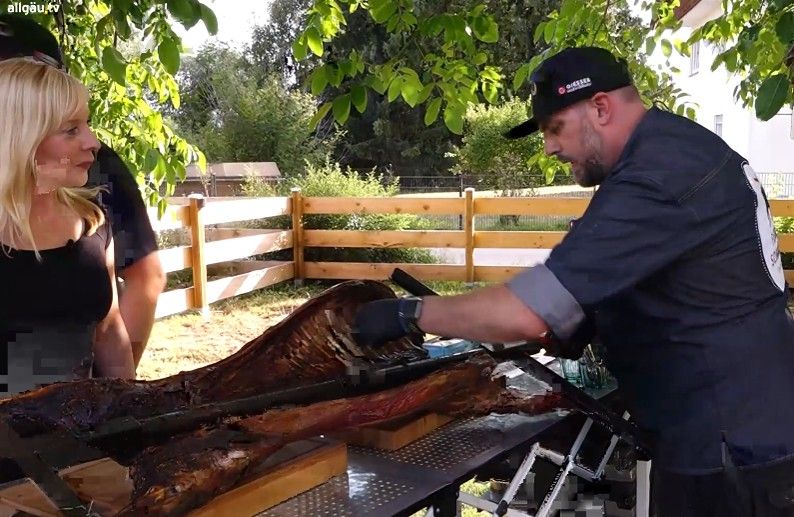
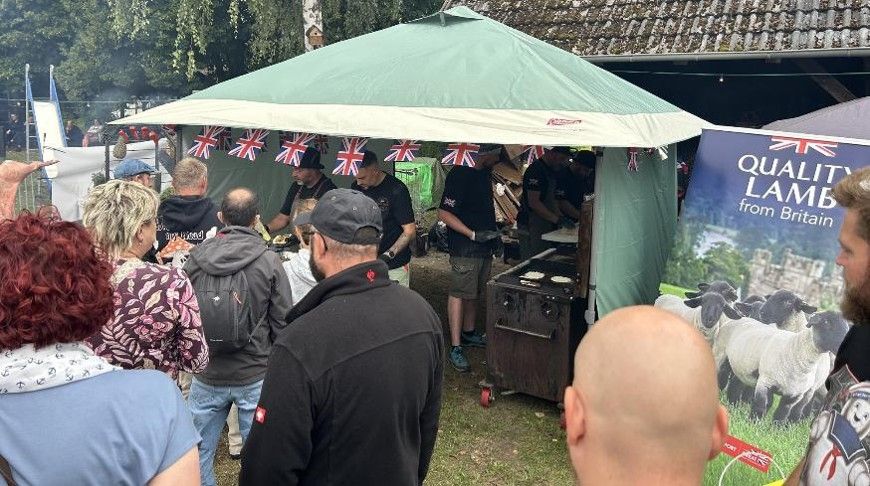
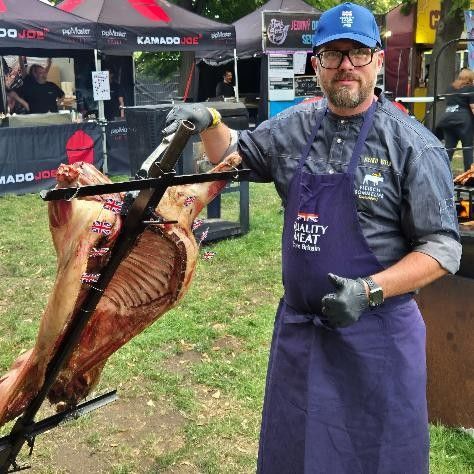
On May 14, Father's Day, a major event organised by Europe's largest barbecue magazine, Fire & Food, took place at SinGold distillery in Wehringen (Allgäu).

More than 250 die-hard barbecue fans and B2B decision-makers experienced a wide variety of dishes and preparation methods firsthand.

The highlight of the event was English premium lamb cooked on an asado cross, prepared by experts from the German meat sommeliers.

The Netherlands

Included in this month's report:

  • Food group files for bankruptcy
  • Vion sells another German slaughterhouse
  • Pig prices drop

Latest market news

Esro Food Group files for bankruptcy after FIOD raid

Esro Food Group, including its subsidiary Esro Meat, has been declared bankrupt after raids by the FIOD (Fiscal Information and Investigation Service) and NVWA (Dutch Food and Consumer Product Safety Authority) due to allegations of fraud and the processing of unfit meat.

Three top executives were detained. Esro, founded in 1979, grew into an important meat producer, but is struggling financially due to losses, high debts, and external factors such as the war and rising costs.

Despite restructuring efforts and investments, the company is no longer viable. A curator is now investigating the possibility of a restart, but details remain uncertain.

Vion sells another German slaughterhouse

Vion Food Group is selling another German slaughterhouse. Previously, Vion had already sold locations in Crailsheim and Waldkraiburg.

The Buchloe facility, with a capacity of approximately 90,000 cattle and 270 employees, will remain operational for the time being.

The sale aligns with Vion’s strategic shift to focus on the Benelux region, due to market changes and competitive pressures. The transaction is expected to be finalized in the second half of this year.

Pig prices drop in Germany and Netherlands

Pig prices fell in Germany and the Netherlands during May due to ongoing price pressure and an oversupply of slaughter pigs.

German market prices have fallen by 10 cents, partly due to sales problems and a reduction in domestic slaughter days caused by holidays.

Dutch slaughterhouses Van Rooi Meat, Vion, Westfort, and Compaxo are also lowering their prices by approximately 8-10 cents.

Despite the lower prices, demand for barbecue meat continues to rise, while economic pressures on producers increase. The supply remains ample due to fewer slaughter days around holidays.

New rules for welfare and animal well-being

The General Administrative Order (AMvB) on Animal-Worthy Beef Cattle Farming expands regulations to include beef cattle and calves following feedback received during the consultation.

The rules aim to improve animal welfare through adjustments in housing and the prohibition of interventions such as tail docking and beak trimming.

Key measures include a ban on tethering (2035), mandatory cow brushes (2028/2030), a lying area per animal (2030), and 2.2 m² of space per calf (2040). Additionally, transport of calves from 28 days of age will be permitted.

These measures will be phased in gradually until 2040, with the goal of enabling animals to better express their natural behaviours and establishing the calf-at-the-cow system as standard in the sector. The economic impact is significant, involving investments of tens of millions of euros. 

Falling piglet prices but stable fattening pig prices

Piglet prices fell in the Netherlands, Spain, and Germany during May, with the largest correction in Spain (-€3). In the Netherlands, Vion, BPP, and TopigsNorsvin are lowering their prices, while Germany remains stable.

Fattening pig prices have remained unchanged for nine weeks at approximately €1.43-1.48 per kilogram. Internationally, prices are slightly rising in Italy.

Despite the stable prices, concerns are growing about market demand issues, especially in Germany, where demand is declining and the barbecue season is slow to start. The market is in need of a new boost, but it remains absent.

New guidelines for barn emissions

The Netherlands and Flanders have jointly developed new livestock emission measurement guidelines, led by Wageningen University & Research, ILVO, and VITO.

Key innovations include continuous ammonia emission monitoring for increased reliability and protocols for measuring air purification efficiency.

The guidelines also feature revised emission factor calculations and emphasize target-based requirements, with farmers needing to demonstrate compliance through continuous, company-specific measurements.

The Netherlands plans to formally incorporate these guidelines into legislation, including the Environmental Law (Omgevingswet), to support future policy and permitting processes. 

First shareholders meeting JBS in The Netherlands

JBS has been officially a Dutch company since last year, when it, as part of a new stock exchange listing in New York, relocated its headquarters to an office building on the outskirts of Amsterdam.

In this new location, 11 employees manage a global group that, in 2025, employed 152,000 people and generated a turnover exceeding €74 billion.

The company also reported a profit of nearly €2 billion and boasts a market capitalisation of $17.8 billion in New York.

In the Netherlands, JBS’s empire includes only a few entities: meat substitute producers Vivera and the Vegetarian Butcher, and snack manufacturer Albert van Zoonen.

Sustainable quality marks indicate growth

Circana’s annual Retail Quality Mark Monitor reveals a significant increase in sales of sustainable labels within supermarkets. In 2025, sales of these labels surpassed €450 million.

Notably, the Better Life label (Beter Leven) has experienced substantial growth, with a 4.3% increase and a sales boost of €176 million euros.

Within animal protein, the Better Life (Beter Leven) quality mark has become the industry standard. It covers fresh pork, fresh chicken, and eggs, with respective market shares of 98.5%, 94.3%, and 86.1%.

Additionally, the fresh meat and meat products group, encompassing beef, pork, and chicken, holds a market share of 65.2%.

News from other markets

Latest market news

White House moves to suspend beef tariff-rate quotas

The White House has signalled plans to temporarily suspend tariff rate quotas (TRQs) on beef imports following strong pressure from domestic cattle groups.

Their proposal is aimed at easing supply constraints and stabilising prices, which has been trending upwards. However, the move has drawn criticism from producers concerned about increased import competition.

For UK exporters, implications are more complex. The UK already benefits from duty-free access under the Economic Prosperity Deal.

If TRQs are widened, competitors such as Brazil, Australia and New Zealand could gain similar access, eroding the UK's advantage on increasing price competition in the US market.

Trade policy uncertainty grows after tariff rulings and appeals

Recent developments in U.S. trade policy highlight ongoing uncertainty. A trade court has struck down a set of tariffs, marking a potential turning point, but the administration has already filed an appeal.

At the same time, officials have warned that higher tariffs on EU goods could return if negotiations miss a July 4th deadline.

This shifting landscape creates volatility for global meat trade flows. UK exporters should be aware that some tariff changes could alter competitiveness across key markets, particularly if EU or US supply becomes more or less competitive at short notice.

Canada and Mexico restrict pork Imports after disease cases

Canada and Mexico have imposed targeted restrictions on certain products following confirmed cases of Pseudorabies in part of United States. The actions reflect strict sanitary measures from two of the largest US pork export markets, Iowa and Texas.

This disruption may create limited short term opportunities for alternative suppliers. UK pork exporters could benefit where access and specifications align, particularly as they CBTP deal with Mexico takes effect on 22nd June, supporting pig offal exports.

This situation also reinforces the importance of strong animal health controls in safeguarding access and maintaining confidence in UK supply.

US pork outlook remains strong despite trade disruptions

US pork exports posted a near record performance in March and are expected to outpace both beef and chicken exports through 2035.

Strong international demand and competitive pricing continue to support growth, even as decease related restrictions affect certain markets.

For UK exporters, this reinforces the scale of competition in global pork markets. Differentiation through quality, specification, and niche market positioning will remain key to competing against large volume suppliers like the US.

Beef exports face pressure as China demand remains absent

US beef exports are under pressure due to continued absence from the Chinese market. Despite this, strong global demand for offal has pushed values to record highs, helping to partially offset losses in muscle cots.

This highlights diverging demand trends across product categories. For UK exporters, it reinforces the importance of maximising carcase value through access to markets that demand offal and secondary cuts, particularly in Asia and Latin America.

Consumer and market dynamics

Beef demand remains resilient despite rising prices

Beef demand is holding firm in the face of elevated retail prices, supported by strong consumer preference. However, economic pressures are beginning to emerge, raising concerns about future consumption trends if inflation persists.

In the US, beef continues to lead retail meat price increases, reflecting tight supply and sustained demand. For UK exporters, this suggests that premium positioning can still succeed, but price sensitivity may become more pronounced in the coming months.

Inflationary pressures linked to trade measures

The Bank of Canada has indicated that counter tariff contributed to higher consumer prices in 2025 in the Canadian market.

This demonstrated how trade policy decisions can directly affect food affordability and consumption patterns.

Tariff driven price increases can also create opportunities for exporters not affected by those measures.

In such cases, relative price competitiveness may improve, allowing suppliers to gain market share or expand volumes where competing products become more expensive.

Global trade and geopolitical context

Iran conflict adds uncertainty to global markets

Ongoing conflict involving Iran is contributing to wider geopolitical uncertainty, affecting energy markets, logistics, and overall trade confidence.

While the full impact is still developing, disruptions to shipping routes and cost could affect global meat trade flows.

UK exporters should factor in potential increases in freight costs and longer transit times, particularly for shipments moving through affected regions.

Canada seeks new trade agreements in Asia

Canada is targeting new trade agreements with the Philippines and ASEAN countries in 2026 as part of a broader diversification strategy. This reflects a growing focus on Southeast Asia as a key demand centre for meat imports.

This aligns with opportunities for UK exporters in the same region. Increase competition is likely, but expanding demand across ASEAN markets continues to present strong long term potential.

Production and supply outlook

US beef processing expected to decline further

USDA reports indicate that beef processing capacity is expected to shrink further, tightening supply in the medium term. This is likely to sustain high prices and may increase reliance on imports.

For UK exporters, reduce US domestic production could create additional opportunities. The UK-US Economic Prosperity Deal provides access to a 13,000 tonne tariff free quota, which may become more valuable if domestic supply tightens.

This could support greater UK presence in the market particularly where demand remains strong.

Calls for diversification in Canadian pork sector

Canadian industry groups are urgent greater market diversification and increased domestic processing capacity. The aim is to reduce reliance on a small number of export markets and improve resilience to trade shocks.

The trend reflects a broader global shift towards risk management in export strategies. While the UK meat industry has already made significant progress in diversifying its export base, with positive results, continued efforts to open additional markets will be essential to increase commercial flexibility and further strengthen resilience to trade shocks.

Key takeaways for UK exporters

  • Trade policy volatility in the US is creating both risks and short term opportunities.
  • Animal health issues remain a critical factor in maintaining and gaining market access.
  • Strong global competition, particularly in pork, requires clear market positioning.
  • Maximising value across all cuts remains essential in a mixed demand environment.

Overall, while uncertainty persists across trade policy and geopolitics, evolving supply dynamics an regional demand shift continued to present targeted opportunities for proactive UK exporters.

AHDB market activity

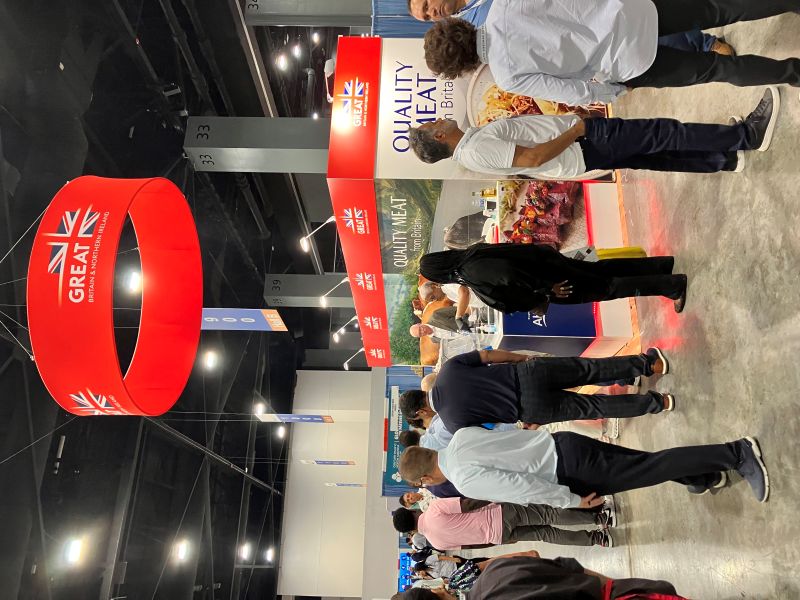
AHDB highlights key trends at SIAL Canada

Our presence at SIAL Canada highlighted several key consumer and industry trends shaping market demand.

While taste remains essential in attracting consumers, nutritional value is increasingly driving repeat purchases. Protein and fibre continue to influence buying decisions, reflecting growing interest in satiety, digestive health and functional benefits.

Following a period of heightened interest in plant based alternative, global consumption of meat and dairy is raising again. This shift is driven by a preference for simpler, recognisable ingredients and clearer nutritional value, areas where British red meat is well positioned.

At an industry level, automation and artificial intelligence are becoming critical to maintaining competitiveness. These technologies support improved efficiency, greater product consistency and stronger cost control in international markets.

However, expansion into global markets brings increasing regulatory complexity. Requirements around labelling, certification, language and product compliance vary significantly by country and must be addressed early to ensure successful market entry.

In Canada, wider economic and trade factors are also shaping consumer behaviour. Tariff-related pressures have reinforced a preference for domestically produced goods, increasing competition for imports, particularly in retail channels where origin is clearly identified.

At the same time, rising food prices are placing pressure on household budgets. Meat prices rose sharply in 2025, positioning fresh meat as more of a premium purchase for some consumers. Despite this, demand remains supported by its strong nutritional credentials as a high-quality protein source.

Key takeaways from SIAL Canada:

  • Strong demand for high-protein, nutrient dense products
  • Growing preference for simple, recognisable ingredients
  • Rising importance of automation and efficiency in production
  • Increasing regulatory complexity across export markets
  • Greater consumer focus on domestic products in Canada

Overall, British red meat is well positioned to respond to these trends, offering both quality and clear nutritional value in a competitive and evolving market.

AHDB promotes British pork at SIAL China

We exhibited at SIAL China 2026, one of the leading trade shows for the Asian market, as part of our ongoing efforts to promote British red meat internationally.

Three UK companies joined the British Meat Pavilion, using the platform to build relationships and showcase British pork to buyers from across China.

The event has provided valuable opportunities to engage directly with importers and strengthen trade connections.

SIAL China once again demonstrated its scale and global importance, attracting professional buyers from 132 countries and regions and generating intended deals exceeding RMB 100 billion, underlining its role as a key platform for international trade and market access.

We, and participating exporters, will continue to build on newly established relationships with importers and partners, underlining the strategic importance of China for UK pork exports.

Market access latest

Included in this month's report:

  • Key update on China Decree 280 for pork exporters
  • Defra SPS Agreement update

China Decree 280 update

China’s Decree 280 on the Registration of Overseas Food Manufacturers came into force on 1 June 2026, replacing Decree 248.

The primary impact for the UK pork sector relates to the ongoing management of GACC (CIFER) registrations, including renewal, amendments and maintenance of approved listings.

There is no immediate requirement to re-register existing UK pork establishments.

Existing CIFER registrations for approved UK pork establishments are expected to remain valid after 1 June 2026.

Registration expiry dates vary by establishment and are currently understood to run from 2028 to 2030. Businesses should begin forward planning for renewals based on their individual expiry dates.

Key regulatory changes

  • Pork and other terrestrial meat products will continue to require official recommendation and are not expected to qualify for automatic renewal
  • Renewal window extended to three to 12 months before expiry, providing more time for preparation
  • New establishments will still require competent authority approval and supporting documentation
  • Material changes to establishments may require full reapplication rather than simple amendment
  • Cold stores handling pork exports must be included and aligned within CIFER registrations

The changes increase the importance of proactive registration management, including maintaining accurate CIFER records, monitoring expiry dates and ensuring full supply chain compliance.

Businesses should prepare earlier for renewals and ensure alignment across all approved facilities.

Recommended actions

  • Review current CIFER registration details and confirm expiry dates
  • Identify establishments approaching the renewal window
  • Engage with competent authorities and stakeholders early
  • Ensure all cold storage and supply chain partners are correctly registered
  • Monitor and report any structural or legal changes affecting the business

Defra SPS Agreement update

The UK Government is negotiating a Sanitary and Phytosanitary (SPS) Agreement with the EU, expected to take effect in mid-2027.

The agreement will apply to animal products including beef, lamb and pork, and will impact all red meat establishments regardless of whether they directly export to the EU.

The SPS agreement will introduce changes across food hygiene, food safety, animal health, official controls and labelling requirements.

These changes will affect the entire red meat supply chain, including slaughterhouses, processing plants and distribution networks.

Businesses will be required to align with EU food safety, hygiene and standards.

As EU rules evolve, Great Britain rules will also update, requiring ongoing compliance and monitoring.

Key operational considerations (subject to confirmation)

  • Businesses may need to align with EU food safety and hygiene rules, but specific changes for meat processors are not yet confirmed
  • Potential impacts on meat hygiene practices, microbiological criteria and processing methods remain uncertain and under negotiation
  • Labelling, ID marking and additive requirements may change, but no detailed requirements have been set out yet
  • Businesses are advised to review potential impacts only at this stage, as detailed rules will follow once negotiations conclude.

The SPS agreement is expected to reduce trade friction by removing the need for export health certificates and routine border checks for most agri-food goods.

This will simplify trade between Great Britain, the EU and Northern Ireland.

Actions for industry at this stage

  • Businesses should focus on awareness and monitoring developments, as detailed requirements are not yet confirmed
  • Defra advises reviewing potential impacts and supply chains but acknowledges that specific changes cannot yet be planned with certainty while negotiations are ongoing
  • Engagement with trade bodies and authorities is recommended to stay informed ahead of more detailed guidance expected later in 2026

Upcoming trade events

Come along with our exports team to promote British products to a global audience.

Find out what's coming up and how you can get involved

Latest export news

×