- Home
- Meat shopper journey: Meat - the say-do gap
Meat shopper journey: Meat - the say-do gap
As we know, what shoppers say and what they do can differ but what drives them to buy one protein or cut over another?
Decision drivers
To fully understand what drives shoppers to buy meat in-store, it is critically important to understand the difference between what they claim is important to them and what actually influenced them when in the store and the differences between the two.
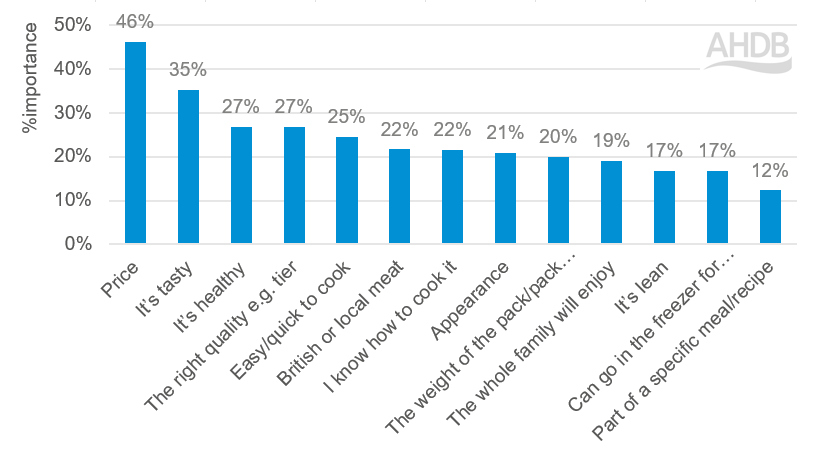
Figure 1. Claimed meat decision criteria
Figure 1 shows the drivers people claimed most important when buying food. Price ranks highest (46%), followed by taste (35%), health (27%), and quality (27%). Practical drivers like part of a specific meal (12%) or whether it suits the whole family will enjoy it (19%) score lower.
In terms of claimed decision drivers, 46% of shoppers said price was important when buying meat, up from 43% in 2018 (See figure 1).
When shoppers said price, it was clear they were looking for the best quality meat within their price range. This was true across all tiers, from value to premium and highlights shoppers are now more sensitive to pricing.
Taste (35%), health (27%) and quality (27%) were also important considerations when buying meat, as it is a central part of a meal. There has been a significant uplift in the perceived importance of both health and the right quality tier since 2018.
Other factors, which shoppers say are less important, include; easy/quick to cook(25%); British/local meat (22%); knowing how to cook it (22%); appearance (21%); and pack size (20%).
These are the practical things shoppers may think about before they get into the store – so focusing on these areas in pre-store messaging will reassure them that they’ll find what they are looking for when they reach the fixture.
Actual decision drivers
When shoppers actually get to the meat fixture, what influences their final purchase decision?
We saw that the appearance of the meat at fixture was clearly the most important factor, at 51%, on influencing what product or cut shoppers chose to buy (see Table 1).
By looking at how the meat appears on the shelf, shoppers believe they can judge how it will taste.
They look at the quality, tier, colour, fat content and sell by date to make sure they’re getting good value for money. They especially like to browse the steaks and joints, as they cost more and are considered more of a treat.
Appearance was followed by the right quality tier 38%, price 33% and ease of cook 30%.
The quality tier is also important as shoppers want good value meat. These tiers help shoppers understand quality versus affordability and guides the choice they make. Not all shoppers felt premium products were always the best, and some were happy with the quality of the value tier options.
Quality is subjective, but the tiers do help guide shoppers at fixture. Price drops to third priority when shoppers reach the meat aisle but it is still important as they try to balance quality versus what they can afford.
Ease of cooking becomes more important once shoppers are at the fixture. Many want to know how to cook the product and how long it will take.
As consumers are spending less time cooking their evening meals and searching for convenient meal options, displaying cooking instructions clearly will reassure them and influence their decision to buy.
Table 1. Factors influencing decisions to buy meat – claimed and at fixture
|
Factor influencing decision to buy |
Claimed drivers |
At fixture |
|
Price |
46% |
33% |
|
It’s tasty |
35% |
14% |
|
It’s healthy |
27% |
23% |
|
Right quality e.g. tier |
27% |
38% |
|
Easy/quick to cook |
25% |
30% |
|
British/local meat |
22% |
21% |
|
I know how to cook it |
22% |
23% |
|
Appearance |
21% |
51% |
|
Weight of pack/pack size |
20% |
16% |
|
Whole family will enjoy |
19% |
11% |
|
It’s lean |
17% |
15% |
|
Can go in the freezer for later |
17% |
4% |
|
Part of a specific meal |
12% |
19% |
Therefore, retailers and meat suppliers could:
- Make sure meat is highly visible on the shelf so shoppers can clearly see its colour and fat content. This is used to judge taste, which is key to converting them to buy in-store
- Clearly display the benefits of each quality tier, premium ranges and added-value to encourage shoppers to trade up for a weekend treat or special meal
- Use leaflets or QR codes with recipe ideas, cooking instructions, costs per meal and health benefits to give confidence and reassurance to apprehensive shoppers
Role of origin and welfare claims
The importance of buying British meat has grown significantly at fixture, rising from 9% in 2018 to 21% in 2025. This shows that shoppers aren’t just saying British is important but are following through by buying it. Shoppers say they like to see the Union Flag on packs of meat as this reassures them of quality of production and animal welfare standards, and they want to support British farmers.
Other credentials, such as quality assurance, nutritional information, welfare standards and organic, are seen as a lower priority. Shoppers see many of these as hygiene factors they would expect from a retailer as a prerequisite, rather than as added extras.
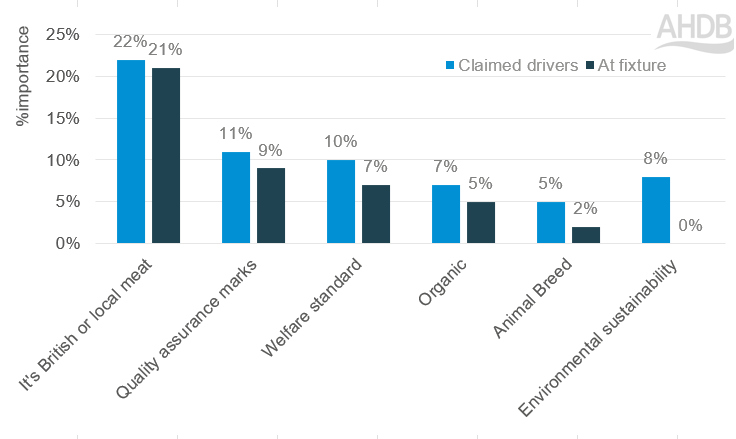
Figure 2. Additional product credentials driving decisions at fixture
Figure 2 shows the gap between what shoppers say matters when choosing meat (light blue bar) and what actually influences them in-store (dark blue bar). British or local meat is the highest with 22% versus 21%, followed by quality assurance marks with 11% versus 9%. Welfare standards mattered 10%, organic 7% and breed 5%, but all dropped slightly at fixture. Environmental sustainability is least important at fixture.
Consumers awareness around on-pack certifications varies, with the highest being for Red Tractor at 78%, followed by RSPCA Assured at 40% (AHDB/YouGov Tracker, August 2025).
While consumers may recognise these labels, their understanding of them is limited. However, seeing the label or providing a QR code at fixture for those wanting to know more is enough reassurance for them.
Sustainability
Only 8% of shoppers said sustainability was a driver for them when buying meat, but when they were actually at the fixture none chose products because of sustainability.
When prompted, 59% of shoppers said they would be more likely to buy sustainable products but unfortunately this was not reflected in purchases at the meat fixture.
This might be because there is currently a lack of options and information in-store for shoppers looking to buy environmentally friendly meat.
Shoppers recognise British meat will have lower food miles than an imported product which some find appealing. In addition, some retailers are introducing low-carbon beef products in-store.
As many shoppers are genuinely interested in buying sustainable products, there is an opportunity to share information about the environmental credentials of British farming and regenerative farming.
This could be done at fixture using images of farmers, QR codes or leaflets with more details at the point of sale.
Retailers could also help shoppers understand their own environmental achievements/targets by sharing information on social media, TV and press.
Read more about the meat shopper journey
Sign up to receive the latest information from AHDB.
While AHDB seeks to ensure that the information contained on this webpage is accurate at the time of publication, no warranty is given in respect of the information and data provided. You are responsible for how you use the information. To the maximum extent permitted by law, AHDB accepts no liability for loss, damage or injury howsoever caused or suffered (including that caused by negligence) directly or indirectly in relation to the information or data provided in this publication.
All intellectual property rights in the information and data on this webpage belong to or are licensed by AHDB. You are authorised to use such information for your internal business purposes only and you must not provide this information to any other third parties, including further publication of the information, or for commercial gain in any way whatsoever without the prior written permission of AHDB for each third party disclosure, publication or commercial arrangement. For more information, please see our Terms of Use and Privacy Notice or contact the Director of Corporate Affairs at info@ahdb.org.uk © Agriculture and Horticulture Development Board. All rights reserved.